FULL CONTAINER LOAD
FCL shipping from China for dedicated-container shipments
Plan a container shipment around your supplier location, cargo requirements and final destination. CTIDDP assesses FCL arrangements from suitable Chinese ports, with the freight and delivery scope confirmed before booking.
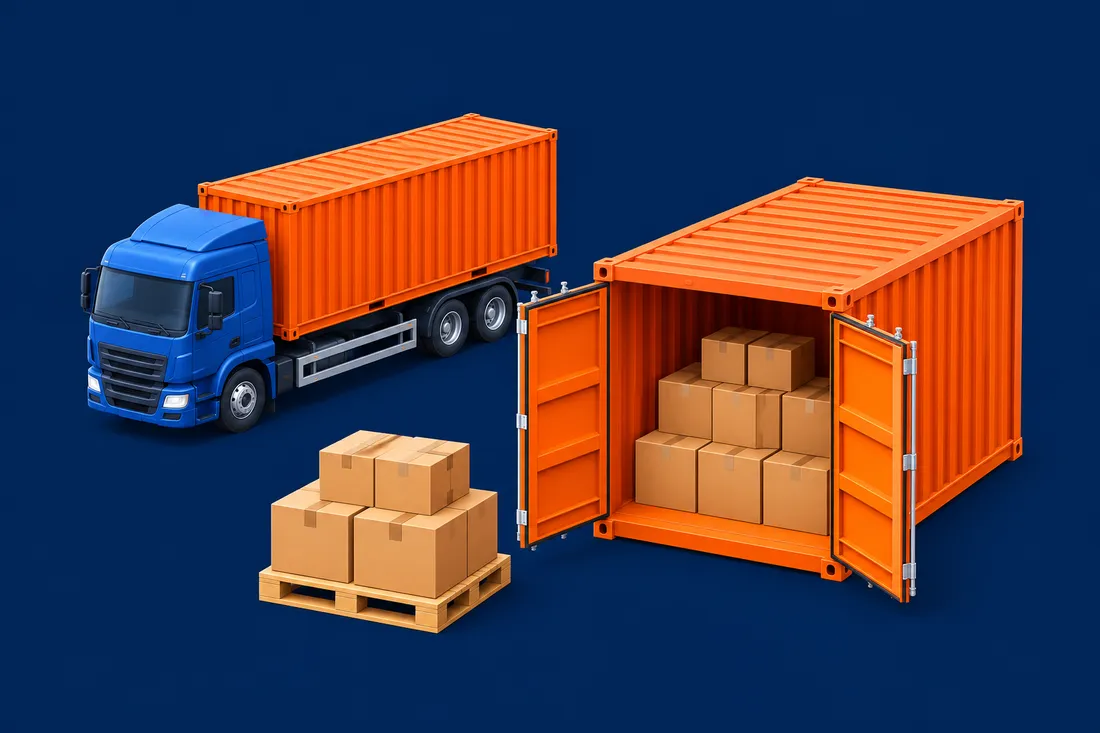
What FCL means
Full Container Load describes a shipment arrangement using a dedicated container rather than sharing container space with unrelated consignments. The container does not have to be filled to its maximum physical capacity for the arrangement to be assessed as FCL.
Suitability depends on the cargo, handling requirements and total cost. A dedicated container can be worth considering when several handling stages, shipment size or the need to keep goods together influence the decision.
When to consider a dedicated container
FCL may suit a sizeable order, coordinated supplier goods or cargo whose handling characteristics favour a dedicated arrangement. It is not automatically the lower-cost choice for every volume.
Compare the origin movement, loading requirements, freight, destination handling and delivery—not just the sea-freight figure. Ask the team to assess FCL alongside LCL if the shipment is close to a practical decision point.
Choose the right origin and loading plan
Choose a suitable Chinese origin port
An FCL origin plan begins with the supplier’s location and commercial handover arrangements. The selected port must also fit the cargo, carrier service and destination requirements.
“Suitable Chinese ports” does not mean every port is available for every shipment. Share your preferred port or supplier’s FOB quotation so the origin scope can be assessed.
If several suppliers are involved, clarify where the goods will come together and who is arranging movement to the loading point.
Define loading and container requirements
Provide the product description, package measurements, gross weight and handling information. Explain any unusual length, fragility, stacking restriction or loading requirement before a container arrangement is confirmed.
Container type, availability, permitted loads and loading method are booking-specific. Do not order a container based only on an assumed maximum capacity.
The quotation should identify who arranges loading, what information the supplier must provide and whether any extra handling is included.
Connect freight with destination delivery
An FCL booking still needs an import and delivery plan. Identify the destination port, importer arrangements, delivery term and final receiving location.
For China-to-India requirements, discuss Visakhapatnam or Kolkata where operationally suitable. The port choice must fit the actual shipment; listing a port on the website is not a guarantee of a direct sailing.
Information for an FCL quote
- Supplier location and intended origin port.
- Product description and purchase references.
- Package count, measurements and gross weight.
- Preferred container arrangement, if known.
- Readiness date and loading requirements.
- Destination port and final delivery address.
- Requested delivery term and included service scope.
If a figure is estimated, say so. Accurate measurements reduce the risk of revising the freight assessment after booking.
Before you book
Does FCL mean the container must be completely full?
No. It describes the dedicated-container arrangement. Commercial suitability still depends on the shipment.
Can more than one supplier contribute cargo?
It may be possible, subject to an agreed collection, coordination and loading plan. Provide every supplier’s details.
Does FCL include import duty and final delivery?
Those are scope and delivery-term decisions, not automatic consequences of choosing FCL.
Can you quote before I know the container type?
Yes. Share the cargo dimensions and weight so the team can assess what further information is needed.
Plan the container around the cargo
Send the shipment details before committing to a loading or delivery assumption.